In Miyamoto Musashi (2025), the film opens with a young wanderer traversing misty mountain trails, eyes hardened by loss yet burning with resolve. Musashi has left his village behind, carrying only a wooden training sword and vague dreams of mastery. He encounters a silent orphan girl in a remote hamlet whose presence awakens a protective instinct, hinting that even the strongest warrior cannot ignore the fragility of life. This meeting stirs memories of a former lover whose betrayal once rent his heart, reminding him that swords may slay enemies—but wounds in the soul run deeper.
As Musashi travels toward Kyoto, he meets a mysterious monk whose serenity masks fierce insight. The monk becomes both teacher and mirror: pushing Musashi to face his inner emptiness as rigorously as he faces rival blades. Through their dialogues beneath candlelit temple halls, Musashi grapples with the paradox of violence and peace. He trains under the monk’s guidance—enduring meditative discipline, austerity, and the challenge of tempering anger. While the world around him is rife with warlords and scheming samurai, his real battle is with the self that lusts for vengeance.

Along his path, Musashi’s reputation grows. Word spreads of his dual‑sword technique and uncanny poise in duels. He is sought out by Sasaki Kojiro, a proud and skilled swordsman whose long blade and sharp style contrast Musashi’s fluid and adaptive strikes. Their confrontation is foreshadowed by tension and anticipation: both respect the other, yet feel compelled to test limits. Before that duel, Musashi also is drawn into local conflicts, defending villages beset by bandits, encountering Lady Aiko—a noblewoman whose own secret past challenges his notions of justice and compassion—and navigating betrayal when allies prove mercurial.
In the climactic duel on an island shore, dawn light bathes the scene. The waves crash, and each strike by Musashi resonates not just in steel but in spirit. Kojiro’s elegance and precision push Musashi to the brink—but Musashi’s adaptability, humility, and silent confidence grant him victory. Yet even as Kojiro falls, Musashi realizes that victory is transient: the battlefield never truly ends within. The combat closes, but a new chapter begins.
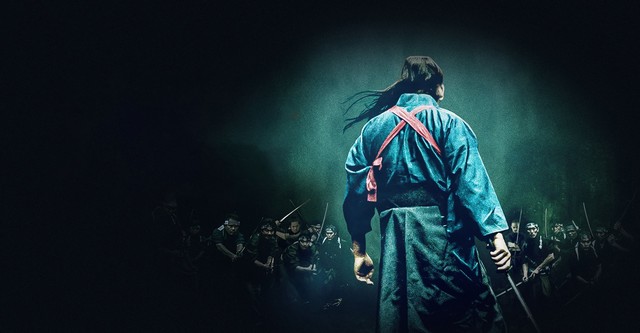
In the final act, Musashi retreats from fame’s glare. He settles briefly among common folk, writes reflections, and contemplates the void between form and emptiness. The film closes with him forging what will become The Book of Five Rings, the text born of his journey through violence, love, loss, and wisdom. Though the legend of the sword lives on, the film’s heart lies in showing how a man walks the razor’s edge between mastery and madness—and finds peace in the unspoken spaces between blades.


